




.webp)
Deciding to study in another country is never just about choosing a university. You’re choosing a way of life for the next few years—new people, new food, new habits, and a completely different rhythm. India, for many students, ends up being one of those places that surprises them in ways they didn’t expect. Some come here for the academics, others for affordability, and a few simply because they’re curious. Whatever your reason is, studying in India tends to become an experience you remember long after you’ve gone back home.
Let’s walk through what studying and living in India actually feels like. This isn’t a polished brochure version—just a real idea of what international students usually encounter.
Read Also: Cost of Studying in India for International Students: Tuition, Visa, Living
The first thing almost every foreign student says after arriving in India is, “I didn’t expect it to be this diverse.” And it’s true. India is loud and quiet, traditional and modern, and fast and slow—often all at the same time.
You can be in a metro city with skyscrapers in the morning and standing in front of a thousand-year-old temple by evening. Every state has its own food, festivals, music, and personality. People are warm and welcoming, sometimes overly curious, but always ready to help.
And while the culture gets a lot of attention, what many students appreciate even more is how affordable life is here and how easy it becomes to settle once you get used to the pace.
Studying in one of the world's most fascinating nations may seem daunting at first, but it often gives students new experiences and views, giving them a whole new dimension of ideology. You may definitely enroll in one if you're looking forward to studying abroad. The top ten reasons to choose to study in India are listed below.
The instructional strategies employed in classrooms are intended to foster students' development of critical and logical thinking. Students from other countries will receive an excellent higher education in India that will equip them for the workforce. Along with the rest of the world, traditional teaching approaches are evolving. These days, educational establishments have expanded their scope to incorporate blended learning approaches that give equal weight to the academic and practical aspects of education.
In addition to its excellent quality, higher education in India is renowned for being reasonably priced. Many of our partner institutions offer merit scholarship courses that make it possible to obtain an excellent education at a reasonable cost. Therefore, students who wish to study overseas but are reluctant to do so due to financial limitations can come to India and receive an excellent education at affordable costs.
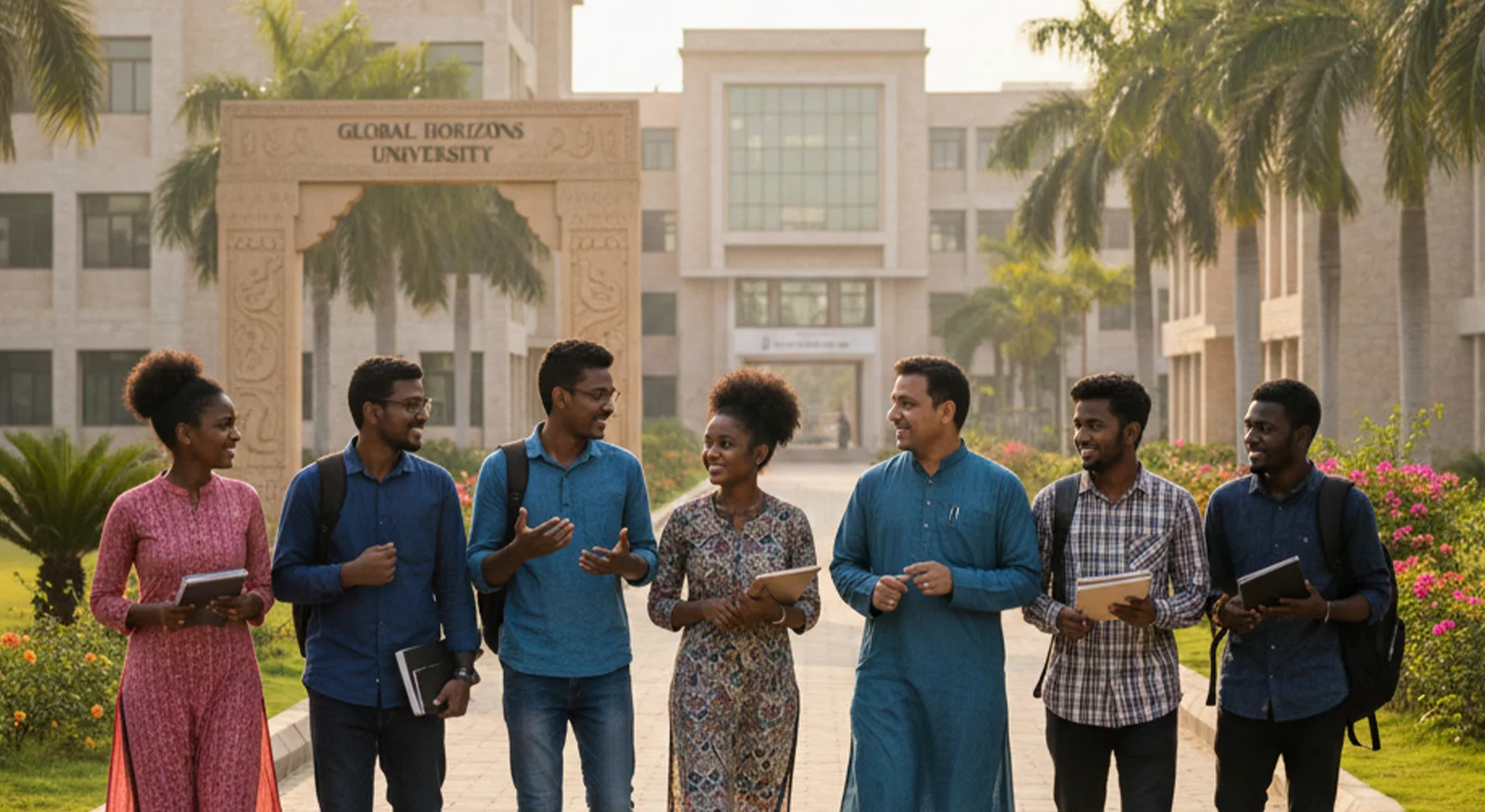
India is a dynamic country where several cultures may live in harmony. Foreign students in India are introduced to the multicultural community, providing them with a once-in-a-lifetime experience to enjoy such unity in diversity. International students have the chance to learn about numerous cultures, languages, cuisines, and festivals in addition to their regular academic study.
India has a long history of invention and research, and many students opt to study there. India is an ideal place for international students to study engineering and technology. Almost all colleges and universities now incorporate contemporary technology to enhance learning.
Instead of merely following a set curriculum, India's higher education system incorporates 360-degree learning modules. This covers both classroom education and extracurricular activities, such as yearly festivals, intercollegiate competitions, and student-organized city and heritage tours. Ultimately, it promotes intellectual and personal growth.
Read Also: How to Choose the Right College in India for Your Career Goals
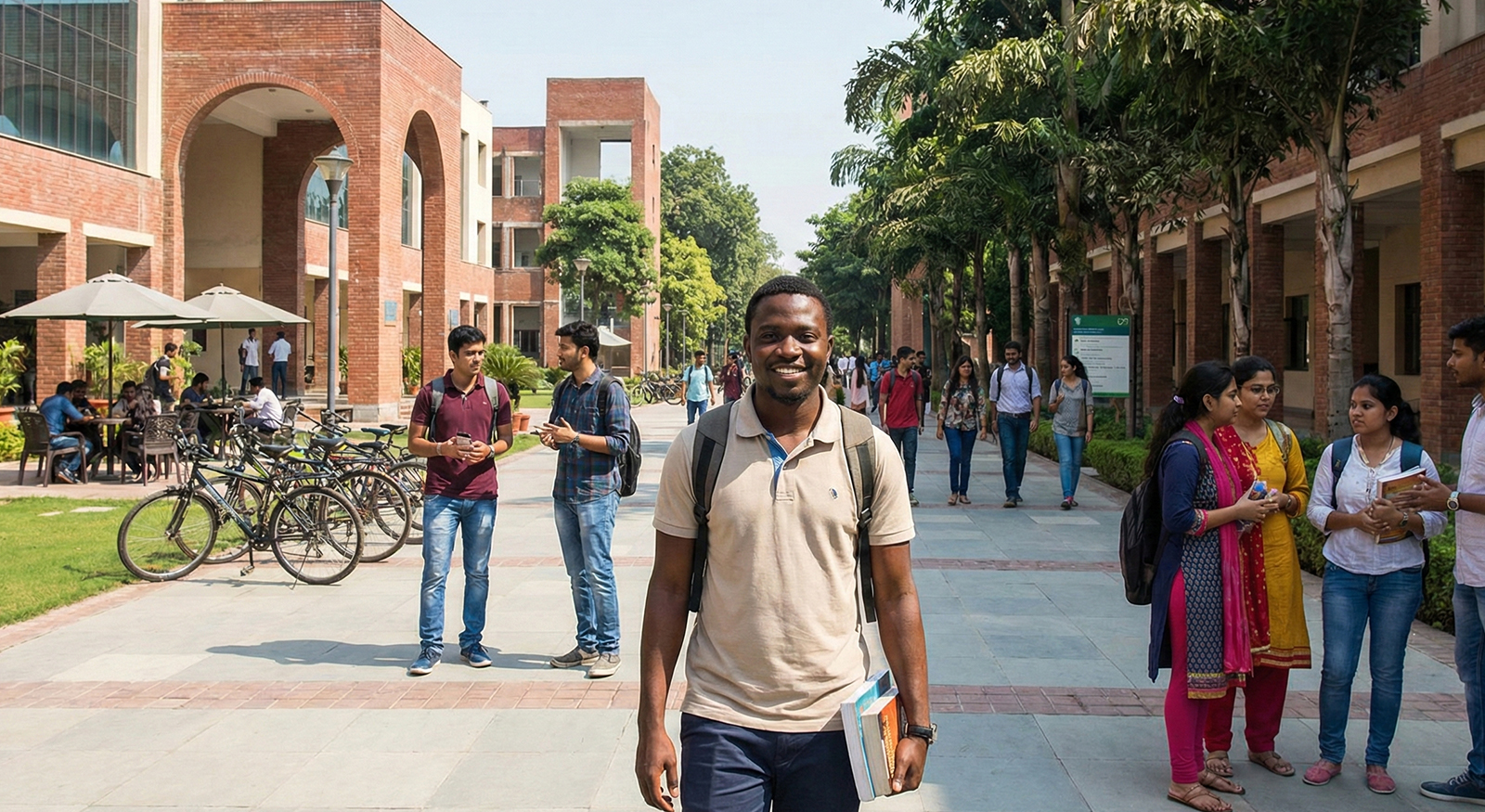
Commerce, nursing, business management, humanities, arts and sciences, engineering, and technology are just a few of the many disciplines offered by Indian academic universities. The wide range of courses is advantageous for facilitating international students' varied interests. Most prestigious educational institutions have a vibrant campus culture and amenities, such as student housing, cafeterias, mini-marts, and even basic medical services. Some even establish apartments for international students, which are quite useful for the comfort of international students.
India is home to more than 400 cities, reflecting the size of the country. Every city brings unique customs, cultures, and ideals with it.
Despite not being the country's mother tongue, English is without a doubt the most spoken and written language in all 29 of India's states. All of India's courses and educational programs are taught in English.
India is home to several of the best educators in the world. When it comes to appreciating its teaching faculty, India ranks among the best nations in the world. Numerous internationally recognized scientists, engineers, and medical professionals have studied at some of the best universities in India for foreign students.
A wide range of extracurricular activities are available to international students studying in India. The lifestyle is lively and affordable due to a bounty of options for international students in India.
Read Also: Top Scholarships For International Students To Study In India In 2025
Throughout their study period, international students in India may indulge in delicious street cuisine, make purchases at wholesale markets, travel by local transit (buses, metro, etc.) at affordable prices, hang out with friends, and chill out. Choosing India for your study abroad program will likely be an amazing experience that will have a long-lasting effect on your life, studies, and future aspects.
Get accurate and reliable information about education for international students in India from Just Press. Call us now!
Q1: Which is the toughest course in India?
A: While engineering and medicine (MBBS) are often considered the toughest courses in India, other studies like chartered accountancy (CA), architecture, and civil services are also regarded as being among the hardest to obtain.
Q2: What is the duration of stay for international students in India?
A: While most bachelor's and master's degrees may be finished in four years or less, many PhD candidates remain in India for longer.
Q3: In 2025, which field will see a boom in India?
A: Data scientists, AI and machine learning specialists, and software developers are among the jobs in technology, data, and AI that are expected to increase at the fastest rates in 2025. The renewable energy industry and healthcare, where specialists are in great demand due to an aging population, are two other notable expanding areas.

.jpg)
.jpg)